

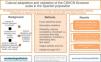

Chronic diseases in childhood are becoming increasingly prevalent, requiring ongoing care. The CSHCN Screener scale detects the health needs of children and adolescents who require additional services derived from these conditions. The aim of this study was to culturally adapt the scale to the Spanish population and to evaluate its psychometric properties.
Material and methodsWe conducted a cross-sectional study using a scale comprised of five dichotomous items addressed to mothers and fathers. If participants answered affirmatively, the corresponding subitems were included. We calculated descriptive statistics and performed confirmatory factor analysis (CFA). Reliability was assessed through internal consistency by means of the Cronbach α coefficient, corrected item-total correlations, the Cronbach α if item deleted and test-retest reliability. We also calculated the kappa coefficient and the intraclass correlation coefficient (ICC).
ResultsA total of 987 parents (mothers and fathers) of children and adolescents aged 3 to 18 years enrolled in public schools in Andalusia participated in the study. The CFA fit indices were adequate (χ²(30) = 87.490, χ²/df = 2.926, CFI = 0.998, TLI = 0.992, RMSEA = 0.044, SRMR = 0.0138). The Cronbach α was 0.827 for the main items and 0.840 for the sub-items. ICC values exceeded 0.90, and Kappa values were greater than 0.60.
ConclusionsThe Spanish version of the CSHCN Screener shows adequate psychometric properties. Thanks to this instrument, it is possible to detect Spanish children and adolescents with special health care needs in schools and it also facilitates the design of future interventions adapted to the characteristics of this population.
Las enfermedades crónicas en la infancia son cada vez más frecuentes, requiriendo atención continuada. La escala CSHCN Screener detecta las necesidades de salud de niños, niñas y adolescentes que requieren servicios adicionales derivados de estas condiciones. El objetivo de este estudio es adaptar culturalmente la escala a la población española y evaluar sus propiedades psicométricas.
Material y métodosEstudio transversal. La escala incluyó 5 ítems dicotómicos dirigidos a padres y madres. Si se respondían afirmativamente, se incluían subítems. Se obtuvieron estadísticos descriptivos y se realizó un análisis factorial confirmatorio (AFC). Se calculó la fiabilidad a través de la consistencia interna con el coeficiente alfa de Cronbach, correlaciones ítem-test corregido, el alfa de Cronbach cuando el ítem había sido eliminado y la fiabilidad con Test-Retest. Se obtuvo el coeficiente Kappa y el coeficiente de correlación intraclase (ICC).
ResultadosParticiparon 987 madres y padres de niños/as y adolescentes, de 3 a18 años, de centros educativos públicos de Andalucía. Los valores de ajuste del AFC fueron adecuados (x²(30) = 87.490, x²/df = 2.926, CFI = .998, TLI = .992, RMSEA = .044, SRMR = .0138). El alfa de Cronbach de los ítems principales fue de 0,827 y 0,840 para los subítems. Los valores de ICC fueron mayores a 0,90 y de Kappa superiores 0,60.
ConclusionesLa versión en español del CSHCN Screener muestra propiedades psicométricas adecuadas. Gracias a este instrumento, es posible detectar a población española infantil y adolescente con necesidades especiales de atención de salud en los centros escolares y facilita, además, el diseño de intervenciones futuras adaptadas a las características de esta población.

The World Health Organization (WHO) defines noncommunicable (or chronic) diseases as diseases that tend to be of long duration and are the result of a combination of genetic, physiological, environmental and behavioral factors. They are also defined as conditions lasting or requiring follow-up for a minimum of 12 months and sufficiently severe to result in limitations in daily life.1,2
The definition of chronic health conditions in childhood varies according to the applied concepts, in which there is substantial heterogeneity, and their measurement on the methodology used for their operationalization (registries, interviews), with their reported prevalence ranging from 11% to 37%.1,3 Some examples of chronic conditions are asthma, congenital heart disease, diabetes and attention-deficit hyperactivity disorder.
In the United States, more than 40% of school-aged children and adolescents have at least one chronic health condition, such as asthma, diabetes, epilepsy, food allergies or oral health problems.4 In Spain, based on data from the latest National Health Survey (Encuesta Nacional de Salud de España, or ENSE),5 the most frequent chronic conditions in the pediatric population (ages 0-14 years) are chronic allergy (10.59%), asthma (4.53%) and behavioral disorders (including hyperactivity) (1.78%), with a higher incidence in males.
Rodríguez-Almagro et al6 conducted a study through the recruitment of Spanish teachers to identify vital health risk problems and complications among the students and assess the training of teaching staff on the identification of these problems. Its objective was to obtain an overall perspective of the health status of the child and adolescent population in Spanish schools. Of the 3246 teachers in the sample, 69.6% (2258) had students with attention-deficit hyperactivity disorder, 62.8% (2038) students with food allergies and 56.8% (1845) students with asthma. Teachers were also asked to report their level of concern regarding health problems in their students, and 56.6% (1837) reported being very concerned.
Children may experience situations requiring medical attention during school hours. In consequence, schools must have action plans in place, as well as adequate support and qualified staff, such as school health professionals.7 Although teachers may attempt to address and respond to the health problems of students in school, there are gaps in their training and their knowledge is even more limited when it comes to special health care needs.8,9
A study conducted in southern Spain aimed to capture the experience of attending school with a chronic condition. It included 17 families of children and youth with asthma, diabetes or epilepsy. The study revealed that parents were in a state of constant hyper-alertness in relation to their children’s schooling, as they were responsible for most health-related tasks, since the solutions and responses offered by the education and health care systems were insufficient. It also evinced a lack of coordination between these two systems, characterized by deficient training and lack of confidence in the staff and protocols that were not actually implemented.10
The World Health Organization underscores the need to capitalize on the potential of school health services in Europe and to promote participatory strategies to actively engage families, caregivers and teachers in school-based health promotion programs.11 To deliver interventions fitting the specific needs of the school-aged population, it is essential for health care and education professionals to employ a valid and reliable method to identify these needs and enable the development of appropriate programs as well as the evaluation of their performance.
Children with special health care needs are a sizable and diverse group. In the international scientific literature, they are defined as children who have or are at increased risk for a chronic physical, developmental, behavioral, or emotional condition and who also require health and related services of a type or amount beyond that required by children generally.12 For many years, the concept was restricted to children with established medical diagnoses or disabilities, without considering overall health status or a broader, noncategorical definition of children with chronic health needs.13 The Children with Special Health Care Needs (CSHCN) Screener14 is a scale developed in the United States between 1998 and 2000 through a national collaborative process in the framework of the Child and Adolescent Health Measurement Initiative (CAHMI) with support from the David and Lucile Packard Foundation and the Agency for Healthcare Research and Quality, which applied the definition for children with special health care needs of the Federal Maternal and Child Health Bureau (MCHB), a noncategorical, non-diagnosis-specific definition of ongoing conditions or consequences with an impact on day-to-day life experienced by children with health problems as reported by their parents.
A Spanish-language version of the CSHCN Screener was developed in the United States to identify children with special health care needs in the Hispanic population.15 The validation study for this version evaluated its linguistic and cultural validity and found that the scale identified fewer children with special needs compared to the original version (5.1% compared to 11.7%). In addition, parents who received the questionnaire reported that the items were easy to answer but also expressed that a telephone interview did not feel particularly conducive to speaking candidly about issues related to their children’s health.
In 2002, Bethell et al16 compared the results obtained with two different tools: the CSHCN Screener and a longer instrument, the Questionnaire for Identifying Children With Chronic Conditions-Revised (QuICCC-R).17 Both instruments were designed to identify children with special health care needs and were found to be efficacious for the purpose. However, while the CSHCN Screener agreed with the results of the QuICCC-R in 90% of cases, it had the advantage of being a simpler and easier to use tool. In addition, both questionnaires identified six times as many children with special health care needs compared to the frequency of specific chronic diseases reported by parents.16
In Spain, epidemiological data on children with special health care needs are scarce and outdated, as they tend to focus solely on children with specific medical diagnoses, without considering other conditions that also require ongoing care.18 This lack of current data makes it difficult to plan appropriate interventions in health care and school settings.
The CSHCN Screener has been found to be useful in other regions14,19–23; for instance, the study conducted for its Polish adaptation,22 which compared the health status of children identified as having special health care needs and children identified as healthy. The analysis was based on self-rated health, school absences and the use of medical services in the past 12 months. The results showed that children identified as having special health care needs were more likely to rate their own health as not good and report frequent medical visits, which supported the validity of the instrument for detecting those with more health problems or health care needs.
However, a validated cultural adaptation of the scale is not yet available in Spain. We conducted the study presented here to remedy this lack, with two primary objectives: (i) the cultural adaptation of the CSHCN Screener to the Spanish population, and (ii) the assessment of its psychometric properties (content validity and internal structure validity, reliability based on internal consistency and test-retest reliability) in a sample of parents of children and adolescents aged 3 to 18 years enrolled in schools in the autonomous community of Andalusia, Spain.
Material and methodsInstrument: CSHCN ScreenerThe CSHCN Screener14,24,25 questionnaire consists of five items with dichotomous yes/no answers and it is administered to parents with the aim of identifying children or adolescents with chronic or special health care needs. It may be administered by phone, email or in person. The five items address five health consequences or health care needs: use or need of prescription medication; above average use or need of medical, mental health or educational services; use or need of specialized therapies such as physical, occupational or speech therapy; use of mental or behavioral health services; functional limitations preventing the child from engaging in age-appropriate activities.
Each of these five items includes one to two subitems or additional parts to the question to answer if the answer to the first part was “yes”. These subitems explore whether the consequence is due to any kind of health condition and, if so, whether that condition has lasted or is expected to last at least 12 months.
Children are considered to have special health care needs if they: suffer a specific consequence, the consequence is attributed to a health condition, and the actual or expected duration is of 12 months or longer. For a child to meet the CSHCN Screener criteria, all three parts of one screener question (main item and all its subitems) must be answered “yes”. This instrument has been validated and use in different countries, such as Brazil,19,20 Egypt21 or Poland,22 among others.
First phase: transcultural adaptation of the instrumentThe first phase consisted of the transcultural adaptation of the existing Hispanic version of the CSHCN Screener15 following the recommendations of Beaton et al.26
After obtaining permission from the author of the original Hispanic scale and the CAHMI, we evaluated the adequacy of the cultural adaptation with the help of a Venezuelan physician who had resided in Spain for seven years and a professor of Hispanic philology of the Universidad de Huelva. Both of them evaluated the meaning of the terms and expressions in the questionnaire and detected subtle differences in health care and technical terms that are understood differently in either culture. They offered alternatives that led to changing a few terms and words to better fit the population of Spain. The final version was field-tested in 26 parents by means of telephone interviews that lasted approximately six minutes to resolve any doubts and ensure comprehension.
Second phase: validation of the instrumentThe second phase took place between October 2023 and March 2024. For the purpose of data collection, we contacted the different offices of education of Andalusia as well as schools as organizations that could allow access to parents. We provided information on the project and, upon accepting participation, the organization sent an informational letter, the informed consent form and the questionnaire to families through IPASEN, an online application of the Department of Education and Sports of Andalusia that enables communication between families and teaching staff.
The study universe consisted of the parents or legal guardians of children and adolescents aged 3 to 18 years enrolled in public early childhood, primary and secondary education schools in Andalusia. The total population enrolled in these education levels during the 2023-2024 school year was of approximately 1 466 000 students.
We used a two-stage approach to obtain a random sample by selecting clusters (schools) and stratifying by province in Andalusia and educational level, calculating the size required for a 5% margin of error and a 95% level of confidence, assuming a prevalence of 10% in students aged 3 to 18 years. We estimated the necessary minimum sample size at 400 students, and applied a sampling weight of 2.5 to correct for design effects, following the recommendations of several references in the literature for studies with complex sampling.27,28 The chosen sample size was 1000, and we selected 12 schools (six early childhood and primary schools, and six secondary schools) in the 8 provinces of Andalusia, using half as the reserve sample. We invited a sample of participants to complete the questionnaire again one month after the initial administration for the test-retest analysis, out of who 45 (4.6%) submitted the questionnaire.
In addition to the CSHCN Screener, we included seven items to collect data on the sociodemographic characteristics of participants: sex, age, educational attainment, employment status, occupation, type of school and age of the child. We used the Google Forms platform to create the final version of the questionnaire.
Statistical analysisThe statistical analysis was conducted with the software SPSS, version 26.29 We summarized quantitative data as mean and standard deviation and categorical data as absolute frequency and percentage distributions. In the analysis of the items, we calculated means and standard deviations.
To evaluate construct validity, we performed confirmatory factor analysis (CFA) with maximum likelihood estimation to confirm the factor structure of the original questionnaire14,30 and assessed the model fit with the following indices: chi-squared to degree of freedom ratio (CMIN/DF < 3),31 comparative fit index (CFI > 0.95), Tucker-Lewis index (TLI > 0.95), standardized root mean square residual (SRMR < 0.08) and root mean square error of approximation (RMSEA < 0.06).32 The CFA was performed with the software IBM SPSS AMOS 26.33
We assessed reliability by analyzing internal consistency with the Cronbach α for the main questionnaire and the subitems (considering values of 0.70–0.90 acceptable),34 corrected item-total correlations, the Cronbach α after eliminating the item and test-retest reliability. We calculated the kappa statistic and the individual measurements consistency-of-agreement intraclass correlation coefficient (ICC).
Ethical considerationsThe study protocol was approved by the Biomedical Research Ethics Committee of Andalusia and the Delegation of Educational Development and Vocational Education and Universities, Research and Innovation of Huelva. All participants were informed of the purpose and voluntary nature of the study, and anonymity and confidentiality were safeguarded in adherence to Law 3/2018 on Data Protection and the Declaration of Helsinki.
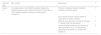
ResultsFirst phase: transcultural adaptation of the instrumentParticipants had difficulty understanding the meaning of one of the questions focused on the original term used for “condición médica” (medical condition) and suggested modifications that were applied to the new Spanish-language version. This version was once again assessed by three health care professionals fluent in English to improve the terms that were harder to understand. The only difficulties encountered in terms of comprehension had to do with the interpretation of the term “condición médica” (Table 1). Their contributions led to further modification of the questionnaire, which was then field-tested in a sample of 12 parents without issues, and became the definitive Spanish version.
Difficulties identified in the original instrument.
| Involved item | Item content | Responses | n |
|---|---|---|---|
| Option A | ¿Se debe esto a CUALQUIER condición médica, de comportamiento u otra condición de salud? (Is this due to ANY medical condition, behavior or other health condition?) | The term “condición médica” (medical condition) could be clearer | 7 |
| Some technical terms may be harder to understand for different people | 1 | ||
| Difficulty associating the concept of “disease” or “allergy” with this description | 2 | ||
| Unsure whether questions also referred to other techniques, such as interventions performed by a dentist, or included mild limitations | 3 |
Option A. The respondent accesses this option only when the answer to the main item/first part of the question is “yes”, so not all respondents answered option A.
A total of 987 parents of children and adolescents (aged 3-18 years) enrolled in public schools in Andalusia participated in the study. The mean (SD) age of participants was 42.87 (14.723) years and the mean (SD) age of the children of the respondents was 10.67 (4.343) years. Table 2 presents the other results of the descriptive analysis.
Descriptive analysis of the sample.
| n | % | |
|---|---|---|
| Sex of parent | ||
| Male | 105 | 10.6 |
| Female | 873 | 88.4 |
| Prefers not to answer | 9 | 0.9 |
| Sex of child | ||
| Male | 451 | 45.7 |
| Female | 523 | 53 |
| Prefers not to answer | 13 | 1.3 |
| Parental educational attainment | ||
| Primary education | 166 | 16.8 |
| Secondary education | 314 | 31.8 |
| Undergraduate degree or higher | 370 | 37.5 |
| Other | 137 | 13.9 |
| Employment status/occupation | ||
| Homemaker | 122 | 12.4 |
| Unemployed | 175 | 17.7 |
| Actively employed | 658 | 66.7 |
| Student | 11 | 1.1 |
| Retired | 21 | 2.1 |
| Type of school attended by child | ||
| Early childhood and primary education school | 559 | 56.7 |
| Secondary education school | 404 | 40.9 |
| Other | 24 | 2.4 |
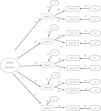
The values of the indices calculated in the CFA were: χ2 = 87.490, DF = 30, χ2/DF = 2.916, TLI = 0.992, CFI = 0.998, SRMR = 0.0138, RMSEA = 0.044 (90% CI, 0.039-0.053). Fig. 1 shows the proposed model, which maintains the same factor, items and subitems as the original instrument. In addition, most standardized factor loadings were greater than 0.5.
Reliability
Table 3 presents the results of the descriptive analysis of the CSHCN Screener. All items had means greater than 0.10. The items corresponding to use of health care services and medication stood out with higher mean values. The overall mean was 0.81 (SD, 1.410) for the main items and 0.68 (SD, 1.331) for the subitems.
Results of descriptive analysis of the Spanish version of the CSHCN Screener.
| All main items | Main items | ||||
|---|---|---|---|---|---|
| n | Mean | SD | Cronbach α | ||
| 987 | 0.81 | 1.410 | 0.827 | ||
| Item-total correlation | α after eliminating item | ||||
| Item 1. Medication | 987 | 0.20 | 0.401 | 0.395 | 0.861 |
| Item 2. Services | 987 | 0.20 | 0.399 | 0.765 | 0.747 |
| Item 3. Limitations | 987 | 0.11 | 0.308 | 0.660 | 0.786 |
| Item 4. Therapies | 987 | 0.13 | 0.339 | 0.677 | 0.778 |
| Item 5. Support | 987 | 0.17 | 0.379 | 0.670 | 0.778 |
| Subitems | |||||
|---|---|---|---|---|---|
| All subitems | n | Mean | SD | Cronbach α | |
| 987 | 0.68 | 1.331 | 0.840 | ||
| Item-total correlation | α after eliminating item | ||||
| Item 1. Medication | 987 | 0.16 | 0.370 | 0.441 | 0.866 |
| Item 2. Services | 987 | 0.16 | 0.368 | 0.784 | 0.764 |
| Item 3. Limitations | 987 | 0.9 | 0.285 | 0.664 | 0.806 |
| Item 4. Therapies | 987 | 0.10 | 0.306 | 0.717 | 0.790 |
| Item 5. Support | 987 | 0.16 | 0.364 | 0.665 | 0.801 |
The Cronbach α values were 0.827 (main items) and 0.840 (subitems). The item-test correlations were greater than 0.40, except for the medication item (0.395), and while the elimination of this item improved the α value, we decided to keep it because its elimination based solely on this statistic criterion would be questionable, without considering its relevance in terms of the definition of the construct domain and content validity.35 The most strongly correlated items were those corresponding to services (>0.76) and support (>0.66).
The test-retest analysis, conducted in a sample of 45 parents with an interval of one month between administrations, yielded a Pearson correlation of 0.973. The kappa statistic was 0.6315 (> 0.60) with a P value of less than 0.001, and the value of the ICC (95% CI) for individual measurements was 0.962 (0.932-0.979). These values indicated a good concordance and correlation (Pearson).
DiscussionThe objective of the study was the cross-cultural adaptation of the CSHCN Screener and assessment of its psychometric properties to allow the identification of children with special health care needs in the Spanish population based on health consequences and impact on day-to-day life as opposed to medical diagnoses.
Overall, the results indicated that the Spanish version of the scale had good psychometric properties. The CFA supported a model with the same structure as that of the original instrument36: one single factor with five main items, each of them with two subitems with the exception of item 5, which only has one subitem. The authors labeled it as “complexity of the health condition”, which provides conceptual clarity regarding the internal measurement structure of the CSHCN Screener.
As regards reliability, the Cronbach α was greater than 0.70, indicating a good internal reliability.34 The test-retest reliability values were also good, evincing stability in measurements over time.
The study of the psychometric properties of the CSHCN Screener conducted in the United States36 yielded a Cronbach α of 0.76, and the validation study for the Brazilian version of the questionnaire20 yielded a Cronbach α of 0.80. Thus, our study ascertained that the items were consistently measuring the same underlying construct, which motivated us to maintain the original five-item structure.
The corrected item-total correlations indicated an adequate internal consistency, with excellent ICC values (>0.90), reflecting adequate concordance and a very strong association based on the Pearson correlation coefficient.
A study conducted in 2015 in a primary care clinic37 within a tertiary care hospital found that the CSHCN Screener identified children with special health care needs with an overall prevalence rate similar to that reported by the National Survey of Children’s Health (NSCH 2011/12). The data were consistent with nationwide data, indicating that the questionnaire performed well in detecting children with special health care needs, even within a smaller and more specific care setting, as was the primary care clinic, compared to the national survey.
In the context of school health services and nurses, given the relevance of the issue, it is essential to identify those children and youth with special health care needs and to establish their epidemiological profile. This enables the design and implementation of specific school-based health promotion and support strategies.11 In addition, in terms of feasibility, it is easy and quick (3–4 minutes) to complete. This makes it very practical, as it does not reach the recommended maximum of 10 to 15 minutes.38
In clinical practice, the questionnaire can be integrated for initial screening in pediatric clinics, primary care centers and specialized units to facilitate the rapid detection of chronic or complex conditions requiring more thorough follow-up. This can help optimize the use of time and prioritize resources for those patients that need them most, thus improving the efficiency and quality of care.
From a public health perspective, the application of the questionnaire in large populations would allow more accurate estimation of the prevalence of special health care needs in children in different autonomous communities and define their characteristics. This can contribute valuable data for the purposes of resource planning and evaluating health policies that target the pediatric population.
An important limitation of the study is that we did not contribute empiric data on the criterion validity of the instrument, which would have allowed us to determine the correlation between the scale and an accepted method for measuring the same construct, which would yield evidence on its concurrent validity. However, we were unable to find any other instrument in Spanish that could be considered the gold standard with which to compare the results obtained with the CSHCN Screener. There are related instruments, like the QuICCC-R,17 but a validated Spanish-language version is not yet available.
Another of the limitations of our study was the application of the maximum likelihood method in the CFA, which assumes normally distributed metric data, to dichotomous items.
Among its strengths, we ought to mention that this is the first study conducted in Spain to adapt this instrument, which we considered necessary given the cultural and linguistic differences between the population of Spain and other Spanish-speaking populations. This instrument will be key in the identification of the particular needs of this subset of the population, enabling the development of programs specifically designed to fit the particular characteristics of children and adolescents. It is also valuable for the purpose of determining the prevalence of children and youth with chronic conditions in the school setting in Spain. Thanks to this resource, it will also be possible to plan future interventions in response to their specific profile, promoting more inclusive and efficacious education and health services.
FundingThis research did not receive any external funding.
The authors have no conflicts of interest to declare.