


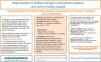
In pediatric palliative care, 30% of patients suffer from cancer and the remaining 70% suffer mainly from neurologic, metabolic and genetic disorders. Sleep disorders affect 30% of healthy preschool children and up to 80% of neurologic patients, so these problems are likely to be common in PPC units. Addressing sleep quality is essential, as adequate rest improves the emotional and physical health of both children and their caregivers, thereby increasing their quality of life.
ObjectiveTo determine the prevalence and specific characteristics of sleep problems in patients managed by the PPC unit of a tertiary care hospital between March and August 2024.
Material and methodsQuantitative, observational, and prospective study of patients receiving PPC at a tertiary care hospital. Sleep was assessed with instruments validated in the Spanish pediatric population (BISQ, SDSC and sleep diary).
ResultsThe study included 23 patients, of who 86.95% had neurologic disease. The most common sleep disorders were chronic insomnia and circadian rhythm disorders, with an overall prevalence of 78.26%. Low ferritin levels and the need for respiratory support during sleep were associated with worse scores on the sleep scale (SDSC).
ConclusionsSleep disorders are highly prevalent in PPC, but validated scales and studies in large PPC samples are needed to improve their diagnosis and treatment and, consequently, the quality of life of patients and their families.
En cuidados paliativos pediátricos, un 30% de pacientes sufre una enfermedad oncológica y el 70% restante patologías principalmente neurológicas, metabólicas y genéticas. Los trastornos de sueño afectan al 30% de los niños preescolares sin patología y hasta al 80% de los pacientes neurológicos, por lo que estos problemas van a ser frecuentes en las unidades de CPP. Abordar la calidad del sueño resulta esencial, pues un descanso adecuado mejora la salud emocional y física tanto de los niños como de sus cuidadores, incrementando así su calidad de vida.
ObjetivoDeterminar la prevalencia y las características específicas de los problemas de sueño de los pacientes atendidos por la unidad de CPP de un hospital terciario entre marzo y agosto de 2024.
Material y métodosEstudio cuantitativo, observacional y prospectivo de pacientes en CPP de un hospital terciario. Se realizaron encuestas de sueño validadas en población pediátrica española (BISQ, SDSC y agenda de sueño).
ResultadosSe incluyeron 23 pacientes, 86,95% con patología neurológica. Los trastornos más frecuentes fueron insomnio crónico y trastornos del ritmo circadiano, con una prevalencia global del 78,26%. Los niveles bajos de ferritina y la necesidad de soporte respiratorio durante el sueño se asociaron con peores puntuaciones en la escala de sueño (SDSC).
ConclusionesLos trastornos de sueño son muy prevalentes en CPP, pero se necesitan escalas validadas y estudios en poblaciones amplias de CPP, para un mejor diagnóstico y tratamiento, mejorando así la calidad de vida de los pacientes y sus familias.

Sleep disorders are defined as disturbances in the quantity, quality, onset, or maintenance of sleep that significantly impact daytime functioning and the quality of life of affected patients and their family and caregivers. In pediatric practice, its assessment is very complex due to the heterogeneity of their clinical presentation, the reliance on caregivers’ reports, and the limited applicability of objective diagnostic methods such as polysomnography or actigraphy, especially in seriously ill patients. This difficulty is exacerbated in the pediatric palliative care (PPC) setting, where care plans tend to focus on the management of pain and other severe symptoms, possibly overlooking sleep despite its proven impact on overall wellbeing.
Based on data from the Children and Young People’s Reference Group of the European Association for Palliative Care (EAPC), it is estimated that 35 per 10 000 inhabitants aged 0–19 years in Europe require palliative care (15 per 10 000 if neonatal deaths are excluded). According to the EAPC, approximately 30% of these patients have malignant tumors and the remaining 70% have a broad range of diseases, mainly neurologic, metabolic, and genetic.1,2
Sleep problems are common among pediatric palliative care patients, with a prevalence that ranges from 20% to 80%, and chronic insomnia and circadian rhythm disorders are the most frequently reported disturbances in this population.3–7 In addition to having a negative impact on the child’s comfort and wellbeing, sleep disorders increase the physical and emotional burden on families and primary caregivers.
Of the tools available for screening these disorders, sleep diaries or logs are a simple and noninvasive option to document sleep-wake patterns. Their use is recommended by the Clinical Practice Guideline on Sleep Disorders in Children and Adolescents in Primary Care of the Spanish health system,8 as the data obtained with this approach have been found to correlate strongly to the findings of actigraphy. However, international disease classifications, such as the International Classification of Sleep Disorders-Third Edition (ICSD-3),9,10 do not include specific categories adapted to the pediatric population or palliative care.
Previous articles have discussed scales used for detection of sleep disorders in patients admitted to PPC programs, such as the sleep questionnaire for children with severe psychomotor impairment (known as SNAKE, the acronym of its name in the original German)11 or the Sleep Screening for Children and Adolescents with Complex Chronic Conditions (SCAC),12 but, to date, there are no validated versions in Spanish of any of them, nor has a scale been developed specifically for the pediatric population with palliative care needs. This motivated us to describe sleep disorders in this population using the scales validated in the healthy pediatric population, such as the Brief Infant Sleep Questionnaire (BISQ)13,14 and the Sleep disturbance Scale for Children (SDSC).13,15
The role of iron, which is essential to central nervous system function and the regulation of neurotransmitters related to the sleep-wake cycle, has been studied among the potential pathophysiological factors at play in sleep disorders.16–18 Specifically, its role as a cofactor in dopamine synthesis links iron deficiency to dopaminergic system dysfunction, motor symptoms, and interrupted sleep. In this regard, serum ferritin is considered a useful marker for detecting subclinical deficiencies that may be clinically relevant in relation to the etiology of certain sleep disorders.5,6
Despite their relevance, the scientific literature on sleep disorders in pediatric patients with palliative care needs is still scarce.7,19,20 Some of the main reasons for this are the small size of this population, its diagnostic heterogeneity, the ethical issues at play in research involving children with highly complex diseases, and the difficulty of applying objective sleep measures in this context. In addition, the scarcity of specialized resources and the lack of a multidisciplinary approach limit research in this field.
Thus, we conducted a study with the aim of establishing the prevalence and characteristics of sleep disorders in a pediatric palliative care unit and to analyze associated risk factors (including ferritin levels) in relation to the patient's disease, for the ultimate purpose of optimizing clinical management and improving the quality of life of children and their families.
Material and methodsWe conducted a prospective observational study in the PPC unit of a tertiary care hospital, whose patients received care both at the outpatient level (visits to specialists in other fields) and at home, between March and August 2024.
The sample consisted of patients aged less than 18 years who were already in the program or were newly admitted to the PPC unit during the study period. We excluded patients with a high probability of death within four weeks of admission to the program (to avoid potential bias in the surveys due to being at the end of life and to not bother families during this difficult time) as well as those who did not consent to participation.
MaterialDifferent tools were used to collect data. One was a sleep diary,10 which families completed for a period of 15 days to document sleep latency, the number of nighttime awakenings, the distribution of sleep in daytime and at night, and, in patients aged more than 6 years, the hours of screen time and physical activity. All the variables documented in the diary were quantitative.
We also used two instruments validated in the healthy population to screen for sleep disorders: the BISQ for patients aged less than 2 years13,14 and the Sleep disturbance Scale for Children (SDSC) for older patients.13,15 Both were completed by the family.
The BISQ is a questionnaire used to register the time the infant falls asleep, the duration of nighttime and daytime sleep and the total time the time is awake during the night. We established three criteria to define the presence of sleep disturbances: sustained pattern of more than three awakenings at night, prolonged time awake at night (between bedtime and morning waking) or total sleep duration of less than 9 h in a 24-h period. However, due to its semiqualitative nature, the questionnaire is not sufficient to establish a diagnosis. The SDSC is a 26-item questionnaire. Each item is rated on a 5-point Likert scale that describes the frequency of the symptoms from “never” to “always”. The questionnaire allows identification of the presence and severity of sleep disturbances such as insomnia, apnea or night terrors, and produces total scale and subscale scores. A total scale score greater than 39 is indicative of disordered sleep.21
The care team collected data on clinical and sociodemographic variables (age, sex, diagnosis), in addition to current and previous pharmacological treatments for sleep, use of orthotics, presence of gastroesophageal reflux, nocturnal respiratory support, epilepsy and its control, the need to be accompanied during sleep, the setting of sleep, nocturnal postural changes, ferritin levels, bruxism, and snoring.
MethodsAt the start of the study, we contacted every family that met the inclusion criteria and had signed the consent form. There were two ways to contact patients: (1) directly, during a scheduled home visit as part of patient follow-up, or (2) during a scheduled check-up appointment at the hospital or an outpatient visit. The care team instructed the family or the patient, as applicable, on how to fill out the sleep diary. Sleep data had to be logged in the morning as soon as possible after the child woke up for a total of 15 days. They were also given the different questionnaires to complete at the moment or at home. The care team contacted the patient/family again 15–20 days after providing the sleep diary to collect all the data.
We classified sleep disorders into three groups according to the Clinical Practice Guideline on Sleep Disorders in Children and Adolescents8: (1) difficulty falling/staying asleep, (2) abnormal events during nighttime sleep and (3) daytime somnolence. We chose this classification on account of the lack of a specific pediatric section in the ICSD-3.9
The variables considered in the analysis were age, sex, primary diagnosis, pharmacological treatments, need for respiratory support, epilepsy, and ferritin levels, in addition to sleep onset latency, nighttime awakenings, and sleep duration.
The statistical analysis was performed with Epidat, version 4.0. We analyzed categorical variables with the χ2 test or Fisher exact test, and continuous variables using the median, standard deviation, and the nonparametric Mann-Whitney U test, since the data did not follow a normal distribution.
ResultsBetween March 1 and August 31, 2024, of the 42 patients managed in the unit, 31 met the inclusion criteria. Finally, 23 patients/families participated in the study after signing the informed consent form, while 8 refused to participate.
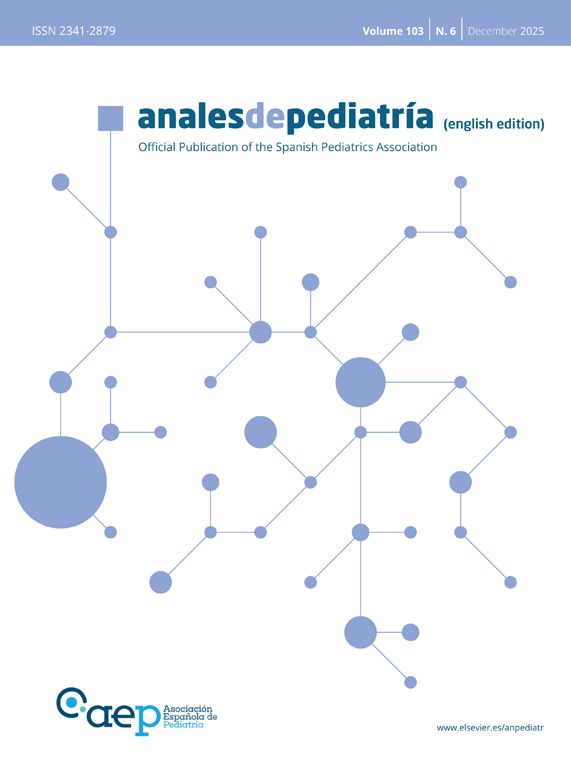
Of the total patients, 86.95% (n = 20) had neurologic, metabolic, or genetic diseases as their primary diagnosis. Seven were female (30.4%) and 16 were male (69.6%), and the age range was 13 months to 16 years (mean, 90.21 months; median, 57 months). We classified patients according to the disease categories established by the Association for Children’s Palliative Care as modified by Martino22 (Table 1). Table 2 summarizes the distribution of the variables under study.
Classification of patients based on ACT categories.
| ACT category | Subcategory | n | % | |
|---|---|---|---|---|
| 1 | a | Life-limiting conditions for which curative treatment may be feasible but can fail | 2 | 8.8 |
| b | Acute life-threatening condition in a previously healthy child | 0 | ||
| 2 | Conditions where premature death is expected, which may involve long periods of intensive treatment aimed at prolonging life and allowing participation in normal activities. | 3 | 13 | |
| 3 | a | Progressive conditions without curative treatment options, where treatment is exclusively palliative (may extend many years) | 3 | 13 |
| b | Progressive conditions without curative treatment options, where treatment is exclusively palliative (lasting up to a few months) | 0 | ||
| 4 | Non-progressive conditions causing severe disability leading to susceptibility to health complications. | 15 | 65.2 |
Abbreviation: ACT, Association for Children’s Palliative Care.
Variables documented in the study.
| n = 23 | |
|---|---|
| Epilepsy | 65.22% (n = 15) |
| Antiepileptic treatment at the time of the study | 8 levetiracetam (LEV) (as monotherapy in 5) |
| 5 valproic acid (VPA) | |
| 5 oxcarbazepine (OXC) | |
| 4 zonisamide (ZNS) | |
| 3 perampanel (PER) (as monotherapy in 1) | |
| 2 lacosamide (LAC) | |
| 1 clobazam (CLB) | |
| 1 vigabatrin (VGB) | |
| 1 clonazepam (CLZ) | |
| 1 ketogenic diet | |
| Controlled epilepsy | 60% (n = 9) |
| Use of orthoses | 52.17% (n = 12) |
| 100% (n = 12/12) | |
| 66.67% (n = 8/12) | |
| If orthoses are used: Used during the day? | |
| If orthoses are used: Used at night? | |
| Gastroesophageal reflux (GER) | 39.13% (n = 9) |
| If patient has GER: Mediation for GER? | 100% (n = 9) |
| Which medication for GER? | 9 omeprazole |
| Respiratory support during sleep | 47.83% (n = 11) |
| If respiratory support used: What type of support? (BIPAP/CPAP/O2…) | 54.54% CPAP (n = 6/11) |
| 36.36% BiPAP (n = 4/11) | |
| 9.1% tracheostomy connected to ventilator (n = 1/11) | |
| Polysomnography | 39.13% (n = 9) |
| Constipation | 52.17% (n = 12) |
| Occasional sleep medication | 47.83% (n = 11) |
| If any sleep medication was taken: Which one? | Diazepam |
| Clonidine | |
| Gabapentin | |
| Immediate release melatonin (Melamil) | |
| Melatonin with tryptophan (Melamil TRF) | |
| Extended-release melatonin (Slenyto) | |
| Clonazepam | |
| Clorazepate dipotassium | |
| Need to be accompanied to fall asleep | 60.86% (n = 14) |
| Snoring during sleep | 26.1% (n = 6) |
| Bruxism during sleep | 26.1% (n = 6) |
| Where does the child sleep? | Crib | Bed |
|---|---|---|
| 34.78% (n = 8) | 65.22% (n = 15) | |
| Shared bedroom with parents/siblings | Alone | |
| 82.6% (n = 19) | 17.4% (n = 4) |
Abbreviation: GER, gastroesophageal reflux.
Four patients were assessed with the BISQ and 19 with the SDSC. The overall prevalence of sleep disturbances, based on the combined results of both questionnaires, was 78.26% (n = 18).
In the group assessed with the BISQ, 100% of patients slept in their parents' room and 75% slept in the supine position. Half of the patients slept less than 6 h per night, with daytime naps of 2–3 h. Fifty percent had more than 3–4 prolonged nighttime awakenings (lasting up to 1.5 h), with difficulty falling back asleep. All went to bed after 9:30 pm, and in 75% of cases, the sleep onset latency exceeded 30 min.
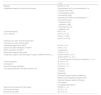
In the group assessed with the SDSC, the total score ranged from 26 to 70 (mean, 49.39), and 84.2% of patients (n = 16) had total scores in the pathological range (≥39). The most affected domain was sleep onset (difficulty falling asleep) (Table 3).
Results for the different sections of the SDSC.
| Difficulty sleeping | Abnormal events during nighttime sleep | Falling asleep during the day | |||
|---|---|---|---|---|---|
| Disorders of initiating/maintaining sleep | Sleep-wake transition disorders | Disorders of arousal | Sleep breathing disorders | Excessive daytime somnolence | |
| Normal | 34.78% | 43.48% | 91.3% | 60.87% | 78.26% |
| Abnormal | 65.22% | 56.52% | 8.70% | 39.13% | 21.74% |
Abbreviation: SDSC, Sleep Disturbance Scale for Children.
The table shows the percentage of the patients with normal and abnormal results in the corresponding sleep domain.
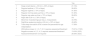
In the case of the pediatric sleep diary, data are collected from the answers to each of the items considered in the analysis. A positive or negative answer to certain questions is suggestive of a potential sleep disorder and indicates the need for further investigation. The results are presented in Table 4 and Appendix B.
Values obtained in the analysis of sleep diary date, expressed as percentages.
| Yes | ||
|---|---|---|
| 1 | Sleep onset latency > 30 min (> 30% of days) | 21.74% |
| 2 | Regular bedtime (> 70% of days) | 95.65% |
| 3 | Regular naptime (> 70% of days) | 91.30% |
| 4 | Regular morning wake-up time (> 70% of days) | 91.30% |
| 5 | Regular nap wake-up time (> 70% of days) | 95.65% |
| 6 | Naps after 5:30 pm (> 30% of days) | 0% |
| 7 | More than 3 awakenings per day (> 3 days/week) | 34.78% |
| 8 | Nighttime awakening lasting ≥ 60 min (> 30% of days) | 43.48% |
| 9 | Total sleep time above 97th or below 3rd percentile for age | 17.39% |
| Interpretation: | ||
| Affirmative answer in 1, 6, 7, 8, 9: requires assessment/treatment | 73.91% (17/23) | |
| Negative answer in 2, 3, 4, 5: requires assessment/treatment | 13.04% (3/23) | |
| Assessment/treatment not required | 26.08% (6/23) |
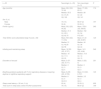
In the statistical analysis, we compared variables in patients with neurologic diagnoses (encompassing both genetic and metabolic diseases) versus patients with other etiologies (Table 5).
Comparison of variables in patients with neurologic disease versus patients with non-neurologic disease.
| n = 23 | Neurologic (n = 20) | Non-neurologic (n = 3) | P |
|---|---|---|---|
| Age (months) | Mean, 92.2 (SD, 74.34) | Mean, 77 (SD, 60.01) | .719 |
| Median, 55.5 | Median, 68 | ||
| Q1, 31.25 | Q1, 22 | ||
| Q3, 180 | Q3, 141 | ||
| Sex % (n) | |||
| Male | 70 (14) | 66.67 (2) | .707 |
| Female | 30 (6) | 33.33 (1) | |
| Ferritin (ng/mL) | Mean, 50.2 (SD, 44.25) | Mean, 155.6 (SD, 98.65) | .045 |
| Median, 31.5 | Median, 162 | ||
| Q1, 25.5 | Q1, 54 | ||
| Q3, 62.75 | P72 251 | ||
| Total SDSC score (disordered sleep if score ≥ 39) | Mean, 50.6 (SD, 11.618) | Mean, 41.33 (SD, 6.097) | .120 |
| Median, 51 | Median, 44 | ||
| Q1, 43.25 | Q1, 36 | ||
| Q3, 58 | Q3, 44 | ||
| Initiating and maintaining sleep | Mean, 16.353 (SD, 0.707) | Mean, 14.5 (SD, 4.86) | .549 |
| Median, 18 | Median, 14.5 | ||
| Q1, 11.5 | Q1, 14 | ||
| Q3, 20 | Q3, 15 | ||
| Disorders of arousal | Mean, 3.471 (SD, 0.717) | Mean, 3 (SD, 0) | .331 |
| Median, 3 | Median, 3 | ||
| Q1, 3 | Q1, 3 | ||
| Q3, 4 | Q3, 3 | ||
| Breathing problems (patients with Tx for respiratory diseases or requiring daytime or nighttime respiratory support) | Mean, 6.235 (SD, 2.705) | Mean, 3.5 (SD, 0.707) | .123 |
| Median, 6 | Median, 3.5 | ||
| Q1, 4 | Q1, 3 | ||
| Q3, 8.5 | Q3, 4 | ||
| Sleep onset latency > 30 min, % (n) | 20 (4) | 33.33 (1) | .602 |
| Total score in sleep diary (need of further assessment) | 75 (15) | 66.67 (2) | .759 |
Abbreviations: SDSC, Sleep Disturbance Scale for Children; Tx, treatment.
Among the analyzed variables, we only found statistically significant differences in ferritin values (P = .045). Ferritin values were higher in patients without neurologic, genetic, or metabolic disease.
We also compared the results for the analyzed variables based on the total score in the SDSC (Table 6). There were statistically significant differences in patients who required ventilatory support (P = .012) and those who had received pharmacological treatment for different sleep disorders (P = .007), with both groups obtaining worse scores in the questionnaire. Sleep disorders were identified in 82.59% of the sample, and 56.5% of the patients had two or more disorders.
Total SDSC score based on different variables under study.
| n = 23 | Epilepsy (n = 15) | No epilepsy (n = 8) | P |
|---|---|---|---|
| Total SDSC scorea | Mean, 52.067 (SD, 11.38) | Mean, 44.375 (SD, 1.07) | .137 |
| Median, 52 | Median, 44 | ||
| Q1, 43 | Q1, 38 | ||
| Q3, 65 | Q3, 51 |
| Used orthoses (n = 12) | Did not use orthoses (n = 11) | P | |
|---|---|---|---|
| Total SDSC scorea | Mean, 52.083 (SD, 13.601) | Mean, 46.455 (SD, 7.84) | .116 |
| Median, 52.5 | Median, 44 | ||
| Q1, 42 | Q1, 43 | ||
| Q3, 65 | Q3, 51 |
| GER (n = 9) | No GER (n = 14) | P | |
|---|---|---|---|
| Total SDSC scorea | Mean, 50.889 (SD, 13.606) | Mean, 48.429 (SD, 1.067) | .283 |
| Median, 52.5 | Median, 44.5 | ||
| Q1, 42.5 | Q1, 42 | ||
| Q3, 61 | Q3, 53 |
| Respiratory support during sleep (n = 11) | No respiratory support (n = 12) | P | |
|---|---|---|---|
| Total SDSC scorea | Mean, 55.091 (SD, 12.888) | Mean, 44.167 (SD, 6.645) | .012 |
| Median, 53 | Median, 44 | ||
| Q1, 51 | Q1, 38.25 | ||
| Q3, 67 | Q3, 5.5 |
| Medication for sleep (n = 11) | No medication for sleep (n = 12) | P | |
|---|---|---|---|
| Total SDSC scorea | Mean, 55.636 (SD, 11.509) | Mean, 43.667 (SD, 7.889) | .007 |
| Median, 55 | Median, 44 | ||
| Q1, 45 | Q1, 38.25 | ||
| Q3, 67 | Q3, 51 |
Abbreviations: GER, gastroesophageal reflux; SDSC, Sleep Disturbance Scale for Children.
Pediatric palliative care units provide specialized, comprehensive, individualized, and continuous care to children with complex chronic conditions or diseases for which there is no cure. Unlike adult palliative care units, where cancer patients predominate, most patients in pediatric palliative care units have serious neurologic conditions of a genetic or metabolic etiology that require a multidisciplinary approach.2,23,24 These differences in patient profiles have significant clinical implications, particularly with regard to the onset of sleep disorders.25–27
We used three tools to assess sleep in this population: the sleep diary, the SDSC, and the BISQ.10 Although there are no specific scales validated in pediatric patients with palliative care needs, these tools allowed the detection of common patterns of disturbed sleep, such as difficulty falling asleep, frequent awakenings, and decreased total sleep time. The sleep diary, in particular, proved to be a very useful clinical tool, both to aid diagnosis and to raise awareness of poor habits among caregivers and providers. It also allowed identification of the best time of day to administer medications to achieve more restorative sleep.
We selected the study variables based on their known relationship to sleep. Different scientific articles have described a bidirectional association between sleep and epilepsy,28–30 as well as an association between sleep disorders and adequate sleep quality with daytime behavior and hyperactivity.31,32
In this study, sleep disturbances were more frequent in pediatric patients with complex neurologic diseases. Several previous studies have documented a high prevalence of sleep disorders in patients with neurologic diseases, ranging from 20% to 80% depending on the type of disease, but there is a dearth of evidence on sleep disorders in patients with palliative care needs.
Our study found a high frequency of insomnia, involving both difficulty falling and staying asleep, as well as a decreased total sleep time in patients with severe neurologic impairment. In agreement with the previous literature on this population, chronic insomnia was the most frequent sleep disorder in the sample.8,33,34 In addition, there was also a significant association between the use of respiratory support (such as CPAP or BIPAP) and poorer scores on sleep questionnaires. Although these devices improve breathing patterns and oxygen saturation during sleep, patients and their families perceive them as complex, which negatively affects the subjective quality of rest. This phenomenon highlights the need to balance the clinical benefits of these interventions with the daily experience of the patient and family.
Another salient finding was the higher frequency of pharmacological treatment for improving sleep in patients with more severe sleep disturbances. The treatments employed included immediate-release melatonin, melatonin with tryptophan, benzodiazepines, and, in select cases, gabapentin and clonidine. Gabapentin was effective for management of associated symptoms, such as restless legs syndrome and visceral hyperalgesia, which led to a secondary improvement in nighttime awakenings. In the case of clonidine, it was prescribed to manage central arterial hypertension, but its positive effect on sleep led to its continued use, revealing potential additional therapeutic benefits.
As for ferritin, we found significantly lower levels in patients with neurologic disorders, which is consistent with previous evidence in the pediatric population linking values below 50 ng/mL with a higher incidence of sleep disorders such as restless legs syndrome and periodic limb movements of sleep.16–18 These findings support considering routine measurement of ferritin (as a potential biomarker) in the assessment of sleep in pediatric patients with palliative care needs, as it allows the detection of subclinical iron deficiency that could benefit from supplementation, although studies in larger samples are needed to confirm this association, given that in this study, patients with higher ferritin levels were those who had gastrointestinal conditions (neonatal gastroschisis requiring surgery, extensive Hirschsprung's disease requiring multiple surgeries, and, in one patient carrying a homozygous pathogenic variant of the EPCAM gene [c.491+1G>A], congenital tufting enteropathy), all of whom received oral iron supplementation at the time of the study. However, the findings of the comparative analysis are limited due to the small number of patients with non-neurologic disease included in the sample.
Finally, our findings are in line with the international consensus on sleep problems in pediatric palliative care published in Sleep Medicine, which highlights the multifactorial etiology of sleep disorders in pediatric palliative care patients and the high frequency of co-occurrence of different sleep disorders in the same patient.35 In agreement with the consensus, we support the recommendation to use sleep hygiene measures as the initial approach to address sleep problems before resorting to pharmacological treatment. We also highlight the urgent need to develop sleep assessment scales specifically validated for this population, given its complexity and particularities.
The study has several limitations that need to be considered. First, the small sample size affects the statistical power and limits the generalizability of the results. Another important limitation is that oncological patients were not represented because there were none in the program during the data collection period. In any case, the previous literature describes a high prevalence of sleep problems in these patients, both in the advanced stages of the disease and in the early years after remission. Since there were no oncological patients during the data collection period, we were unable to assess the prevalence of sleep disorders in this group, despite their known vulnerability to them. Due to the lack of specific tools validated in the Spanish population for assessing sleep in children with complex chronic conditions, we had to use scales designed for the general pediatric population, which could affect diagnostic sensitivity. Similarly, the clinical heterogeneity of the patients in the sample and the lack of validated instruments specific for PPC instruments also required the use of scales designed for the general pediatric population. This should be considered when interpreting the results.
In conclusion, the results of the study reinforce the existing evidence that sleep disorders are frequent, complex, and multifactorial in children managed in PPC units. The diagnostic approach should be systematic, using tools such as sleep diaries and adapted questionnaires, and treatment should be initiated with sleep hygiene measures, reserving pharmacotherapy for selected cases. In practical terms, we propose routine ferritin testing in the evaluation of these patients, since it is a biomarker potentially associated with sleep disturbances as well as a modifiable risk factor. Future multicenter studies in larger sample sizes and including cancer patients are required to confirm these findings and advance the optimization of clinical management with the aim of contributing to improving the quality of life of children and their families.
FundingThis research did not receive any external funding.
The authors have no conflicts of interest to declare.
The following is Supplementary data to this article: